Unveiling the Depth of Connection: A Guide to Creating Motherhood and Daughter Life 3D Papercut Art
The bond between a mother and daughter is often described as one of the most intricate, enduring, and profound relationships in human experience. It is a narrative woven through shared memories, silent understandings, and the passage of time. In the world of paper crafting, translating this emotional depth into a physical object requires more than just simple cutting; it demands a technique that captures dimensionality and shadow. This is where the Motherhood and Daughter Life 3D Papercut emerges not merely as a craft project, but as a tangible representation of layered history. By utilizing advanced layered paper cutting techniques, creators can produce stunning visual narratives that celebrate this unique familial connection.
This guide explores the technical specifications, creative possibilities, and practical applications of creating these intricate designs. Whether you are a seasoned digital cutter user or a hobbyist with an art knife, understanding the nuances of 3D papercut art will enhance your ability to produce meaningful gifts and decor. The following sections delve into the specific attributes of the template, the materials required for success, and the various ways to display the final piece.
The Architecture of Layered Paper Art
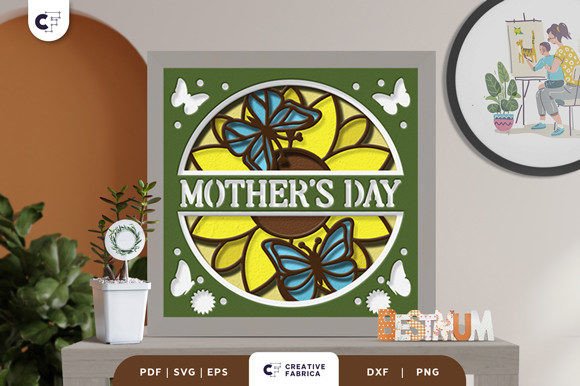
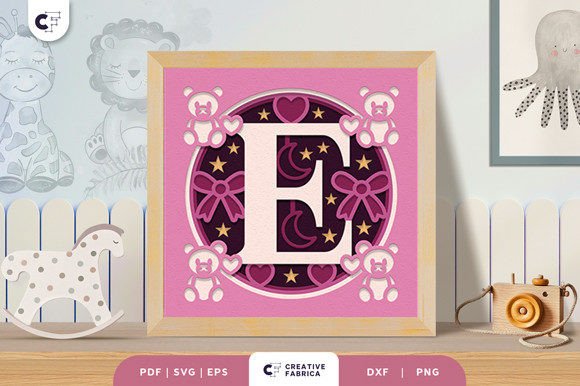
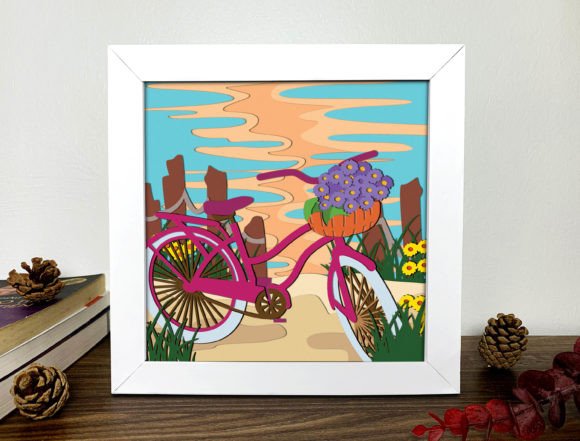
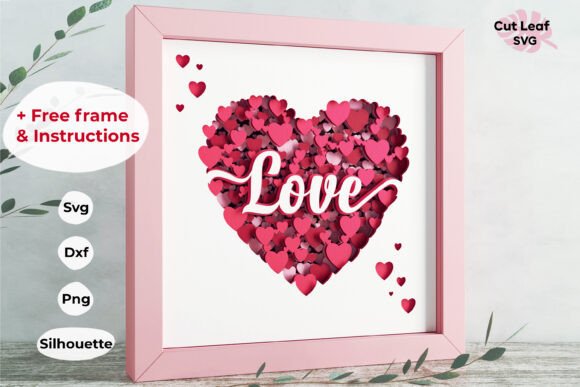
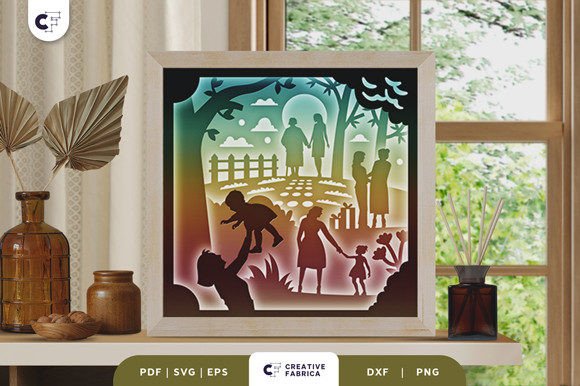
At its core, 3D papercut art, often referred to as shadow box art, relies on the principle of depth perception created by spacing multiple layers of paper apart from one another. Each layer contains a specific portion of the image, and when stacked, they create a cohesive scene with significant visual impact. The Motherhood and Daughter Life 3D Papercut template is designed with six distinct layers. This number is carefully calculated to provide enough detail to render the subjects clearly while maintaining structural integrity and ease of assembly.
The square format of this particular design, measuring exactly 20.32×20.32 cm (approximately 8×8 inches), offers a balanced composition that fits well within standard framing options. This size is substantial enough to showcase the fine details of the cut lines yet compact enough to be handled easily during the assembly process. The square aspect ratio also allows for versatile placement on walls, shelves, or tables, making it adaptable to various interior design styles.
For those new to this medium, it is important to understand that the "magic" happens in the negative space. The areas removed during cutting allow light to pass through or cast shadows onto the layers behind them, creating contrast and definition. This interplay of light and dark is what gives the artwork its three-dimensional quality, transforming flat sheets of paper into a scene that appears to have volume and depth.
Technical Specifications and File Formats
To ensure precision and compatibility with modern crafting tools, the Motherhood and Daughter Life 3D Papercut template is provided in a comprehensive suite of file formats. This multi-format approach ensures that users with different equipment preferences can utilize the design effectively.
- SVG (Scalable Vector Graphics): This is the primary format for digital cutting machines such as Cricut and Silhouette. SVG files are vector-based, meaning they can be resized without losing quality. However, when resizing, it is crucial to maintain the same aspect ratio to prevent distortion of the delicate cut lines. The SVG file includes all necessary paths for the six layers, allowing for automated, precise cutting.
- PDF (Portable Document Format): For those who prefer manual cutting or do not own a digital cutter, the PDF version provides high-resolution images of each layer. These can be printed directly onto cardstock and used as templates for cutting with an art knife and scissors. The clarity of the PDF ensures that even the smallest details are visible during the tracing and cutting process.
- EPS (Encapsulated PostScript) & DXF: These formats cater to professional graphic designers and users of specialized CAD software. They offer flexibility for further editing or integration into larger design projects.
- PNG (Portable Network Graphics): Included for preview purposes and for users who may wish to use the images in digital contexts or for reference during assembly.
The inclusion of the SVG file is particularly advantageous for efficiency. Digital cutters can execute complex cuts in a fraction of the time it would take manually, reducing the risk of human error and ensuring consistent results across multiple copies if needed. Furthermore, the vector nature of the SVG allows for minor adjustments to the scale before sending the job to the cutter, providing additional control over the final dimensions.
Material Selection and Assembly Considerations
The success of any papercut project hinges largely on the choice of materials. Thin printer paper often lacks the durability to hold its shape or withstand handling, while heavy board may be too difficult to cut cleanly. The recommended material for this template is Encore Cardstock 80 lb cover (216 gsm). This weight strikes an ideal balance between stiffness and cuttability.
Cardstock at this weight provides enough rigidity to support the structure of the 3D layers without buckling. It also holds crisp edges when cut, which is essential for maintaining the sharpness of the design’s details. The texture of the cardstock can also influence the final aesthetic; matte finishes tend to reduce glare, allowing the shadows to be more pronounced, while glossy finishes can add a subtle sheen that catches the light differently. Experimenting with different colors of cardstock can significantly alter the mood of the piece. While traditional white or cream papers offer a classic look, using contrasting colors for different layers can enhance the separation between elements, making the 3D effect more dramatic.
Assembly requires patience and precision. Glue or double-sided tape is necessary to secure the layers in place. Double-sided foam tape is often preferred for 3D papercuts because it adds extra depth between layers, enhancing the shadow effect. When assembling, it is critical to align the layers perfectly. Misalignment can result in a distorted image where the figures appear off-center or blurred. Using a backing board with registration marks or a light table can assist in accurate alignment. Once glued, the stack should be pressed under a heavy book for several hours to ensure the adhesive sets properly and the layers remain flat.
Creative Applications and Display Options
The versatility of the Motherhood and Daughter Life 3D Papercut extends beyond its function as a static image. There are several ways to incorporate this artwork into home decor or gift-giving scenarios, each offering a unique viewing experience.
Framed Wall Decoration
The most common application is framing the finished shadow box. A deep-frame frame is essential to accommodate the thickness of the layered paper stack. This style of framing protects the artwork from dust and physical damage while highlighting the depth of the design. Placing this piece in a hallway, living room, or bedroom serves as a constant reminder of family bonds. It acts as a conversation starter, inviting viewers to appreciate the craftsmanship and the emotional symbolism of the piece.
Illuminated Light Box
For a more dynamic presentation, the template can be transformed into a light box. By inserting LED strip lights between the layers or behind the entire stack, the papercut becomes a source of ambient lighting. The light filters through the cut-out areas, casting intricate patterns and illuminating the remaining paper layers from within. This technique creates a warm, glowing effect that emphasizes the silhouette and adds a magical quality to the artwork. It is particularly effective in low-light environments, such as a bedside table or a nursery, where it can serve as both decoration and nightlight.
Personalized Gifts
Given its thematic focus, this papercut is an ideal gift for Mother’s Day, birthdays, anniversaries, or other milestones celebrating maternal relationships. The personal touch involved in selecting the colors, choosing the frame, and hand-assembling the layers adds value that store-bought items cannot match. It demonstrates effort, thoughtfulness, and artistic skill, making it a cherished keepsake for the recipient. The fact that it represents "Motherhood and Daughter Life" makes it universally relatable, appealing to anyone who values family connections.
Practical Tips for Success
While the process is rewarding, there are practical considerations to keep in mind to ensure a smooth workflow. First, always test your cutting machine settings on a scrap piece of the chosen cardstock before cutting the actual design. Different machines and blades may require slight adjustments in pressure or speed to achieve clean cuts. Second, remove small cut pieces carefully. Using tweezers can help extract tiny fragments without tearing the surrounding paper. Third, organize your layers immediately after cutting. Labeling each piece with its corresponding layer number prevents confusion during assembly.
It is also worth noting that the images provided in product previews are for illustrative purposes only. The actual final product color may vary slightly due to lighting conditions in your workspace and the specific batch of paper used. Therefore, it is advisable to view samples of the cardstock in natural light before committing to a color scheme. Additionally, if you are using a digital cutter, remember that the SVG files can be resized, but you must maintain the aspect ratio. Distorting the proportions can ruin the symmetry of the design, so always check the bounding box settings in your software.
Conclusion
The creation of a Motherhood and Daughter Life 3D Papercut is a journey that blends technical skill with emotional expression. It offers a unique opportunity to engage in a mindful, hands-on activity that results in a beautiful, lasting artifact. By leveraging the provided templates in SVG, PDF, EPS, PNG, and DXF formats, crafters of all levels can produce professional-quality art. Whether displayed as a framed wall piece or illuminated as a light box, the final product stands as a testament to the complexity and beauty of the mother-daughter relationship. With the right materials, careful assembly, and creative vision, this project transforms simple paper into a profound celebration of life and love.