Orange Slice 3D Papercraft: A Practical Guide to Integration and Execution
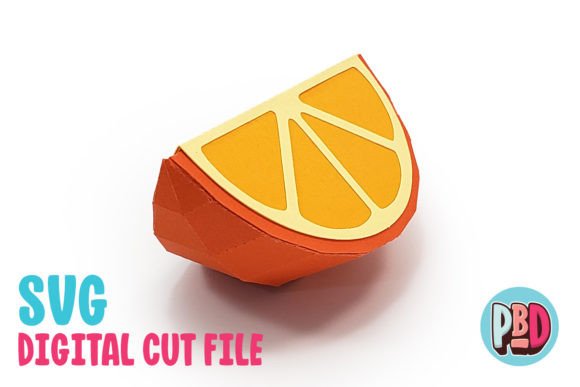
In the realm of digital fabrication and creative production, the bridge between a static design file and a tangible object is defined by precision, preparation, and proper tool configuration. The Orange Slice 3D Papercraft represents more than just a decorative item; it serves as a functional test case for understanding how vector-based assets translate into physical reality. Measuring 3 inches in length, 2 inches in width, and 2 inches in height, this specific design is engineered for medium cardstock, offering a manageable scale that balances visual impact with structural integrity.
For professionals, educators, and hobbyists alike, integrating papercraft models into workflows—whether for event planning, educational demonstrations, or small business branding—requires a systematic approach. This guide outlines the practical implementation of the Orange Slice design, focusing on file compatibility, software preferences, and quality control measures to ensure a successful build every time.
Understanding the Asset and Its Applications
The Orange Slice 3D Papercraft is designed primarily for decor, parties, or events. However, its utility extends beyond simple decoration. In a marketing context, such a vibrant, geometric shape can serve as a tactile brand element for pop-up shops or product launches. For educators, it provides a three-dimensional model for discussing geometry, spatial reasoning, or sustainable materials. For freelancers and designers, it acts as a portfolio piece demonstrating proficiency in both digital design and physical assembly.
The core value of this asset lies in its accessibility. It is not merely an image but a set of instructions and cut files designed to be executed by users with varying levels of technical expertise. The inclusion of both SVG and DXF formats ensures that the design is compatible with a wide spectrum of cutting machines, from entry-level devices to professional-grade plotters. This versatility allows creators to choose the workflow that best fits their existing infrastructure.
File Structure and Preparation
Efficiency begins before the first cut is made. The download package for the Orange Slice 3D Papercraft contains a single ZIP file. Before any interaction with cutting software occurs, this archive must be extracted. Attempting to open or edit files directly from within a compressed folder often leads to path errors, missing links, or corrupted data streams. Extracting the contents to a dedicated project folder ensures that all components—the SVG cut file, the DXF cut file, and the PDF instructions—are accessible and organized.
Proper organization is a cornerstone of effective workflow management. By separating the source files from the printed outputs, users maintain a clean directory structure. This practice is particularly important for those who manage multiple projects simultaneously. A well-organized file system reduces cognitive load, allowing the creator to focus on the execution phase rather than searching for assets.
Software Compatibility and Format Selection
The choice of file format dictates the user experience and the final quality of the output. The Orange Slice design offers two primary vector formats: SVG and DXF. Understanding the distinction between these formats is critical for optimal results.
The SVG Advantage
Scalable Vector Graphics (SVG) files are generally preferred for modern cutting machines. These files can be used with Silhouette Designer Edition and above, as well as Cricut Design Space. SVGs preserve layer information, color data, and precise coordinate mapping, resulting in cleaner cuts and easier editing capabilities. If your workflow involves complex designs or requires frequent adjustments, the SVG format is the superior choice.
The DXF Alternative
DXF (Drawing Exchange Format) files provide broader compatibility, specifically supporting Silhouette Basic Edition. While DXF files are robust, they often lack the nuanced layer data found in SVGs. Furthermore, DXF files can open slowly in Silhouette Studio and may not render as cleanly as their SVG counterparts. For users constrained to older software versions, the DXF file is a viable alternative, but it requires careful handling to mitigate potential rendering issues.
Configuration for Success: Handling DXF Files
If you are utilizing the DXF version of the Orange Slice 3D Papercraft, specific configuration steps are necessary to ensure the file loads correctly in Silhouette Studio. Improper preference settings can lead to misaligned cuts, scaled errors, or complete import failures. Follow this precise sequence to configure your environment:
- Edit Preferences: Navigate to the preferences menu within your software interface. This area controls how the application interprets incoming data.
- Import DXF: Locate the specific section dedicated to DXF import behaviors. Default settings often prioritize speed over accuracy, which can compromise intricate papercraft designs.
- Change Alignment Settings: You will see an option labeled "As-is." Change this setting to "Centered." This adjustment ensures that the design is anchored correctly relative to the cutting mat coordinates, preventing drift during the cutting process.
These steps are not optional; they are essential prerequisites for working with DXF files in this ecosystem. Neglecting to adjust these preferences can result in wasted materials and time, undermining the efficiency of your project.
Material Selection and Quality Control
The success of the Orange Slice 3D Papercraft depends heavily on material consistency. The design is intended for medium cardstock, a weight that provides enough rigidity to hold the 3D structure without being so thick that the blades struggle to penetrate. Using paper that is too thin may result in fragile joints, while paper that is too thick can cause blade dulling or incomplete cuts.
Before committing to the final build, perform a test cut. Use a scrap piece of the selected cardstock to verify blade depth, pressure, and speed settings. This step serves as a quality control checkpoint, identifying potential issues before they affect the main project. Consistency in material selection also ensures that if you are producing multiple units for an event or batch production, each piece will assemble identically.
Assembly and Workflow Integration
Once the cutting phase is complete, the assembly process transforms the flat vector shapes into a three-dimensional object. The included PDF instructions provide a logical sequence for folding, gluing, and securing the slices. Adhering strictly to these instructions is crucial for maintaining structural integrity.
For professionals managing larger projects, consider batching tasks. Cut all pieces for multiple units at once, then organize them by component. This assembly-line approach minimizes setup time and maximizes throughput. It also allows for better error detection; if one piece fails to cut cleanly, you can identify the issue across the entire batch rather than discovering it piecemeal.
Long-Term Value and Repurposing
The Orange Slice 3D Papercraft is a durable asset once assembled. Because it is built from vector files, the design can be rescaled or modified for future projects. If you need a larger centerpiece or a smaller keychain accessory, the SVG file allows for easy resizing without loss of quality. This reusability enhances the return on investment for the initial purchase.
Furthermore, the design fits seamlessly into seasonal workflows. An orange slice theme aligns naturally with autumn festivals, Halloween celebrations, or summer citrus-themed events. By keeping the digital files archived and organized, creators can quickly deploy this asset when relevant opportunities arise, reducing the lead time for custom decor creation.
Conclusion on Implementation
Integrating the Orange Slice 3D Papercraft into your creative or business workflow requires attention to detail, from file extraction to software configuration. By selecting the appropriate format (SVG for advanced features, DXF for compatibility), configuring preferences correctly, and adhering to material guidelines, users can achieve consistent, high-quality results. This methodical approach not only improves the aesthetic outcome but also streamlines the production process, making it a valuable addition to any toolkit focused on physical design and event execution.